India’s Hiring Market in 2026: Why It’s Not Slow, Just Smarter
If you’ve been hearing that hiring is slowing down in 2026, it’s only half the story. The reality is more nuanced. Companies aren’t stepping back from hiring they’re becoming far more deliberate about it. The shift isn’t about fewer opportunities, but about higher expectations and smarter decision-making.
Contents
Hiring Volumes Are Stable, But Expectations Have Clearly Gone Up
On the surface, hiring across India still looks fairly steady. This applies across tech, BFSI, logistics, and healthcare.
But if you look a little deeper, things feel very different. Hiring is taking longer. Screening has become stricter. Even after offers are rolled out, conversions are not always predictable. And the reason is simple. Companies are not just hiring for roles anymore. They are hiring for impact.
They want people who can contribute quickly, adapt fast, and actually move the needle.
This naturally changes a few things. Job descriptions are more precise. Skill expectations are higher. Cultural fit is no longer optional. It is expected.
The end result is simple. Fewer hires, but each one matters more.
The Rise of High-Intent Hiring
One of the biggest shifts this year is how intentional hiring has become.
Earlier, it was common to post jobs everywhere and wait for applications. That approach still exists, but it is no longer the most effective.
Now, companies focus on reaching the right candidates instead of reaching more candidates.
You will see more targeted job campaigns, better-qualified pipelines, and a clear shift toward performance-driven hiring.
A lot of this is supported by modern tools that combine AI, media, and automation. But more than tools, it is the mindset that has changed.
The companies doing this well are running campaigns across multiple channels, not just job boards, tracking cost per qualified applicant instead of just clicks, and optimizing for conversion instead of reach.
Hiring today is starting to look a lot like marketing. And that works.
Talent Shortage Is Real, But Often Misunderstood
You will hear this often. There is a talent shortage. And yes, there is some truth to it. But it is not that simple.
There is no shortage of applications. What is missing is relevant, job-ready talent. That is where most hiring pipelines struggle.
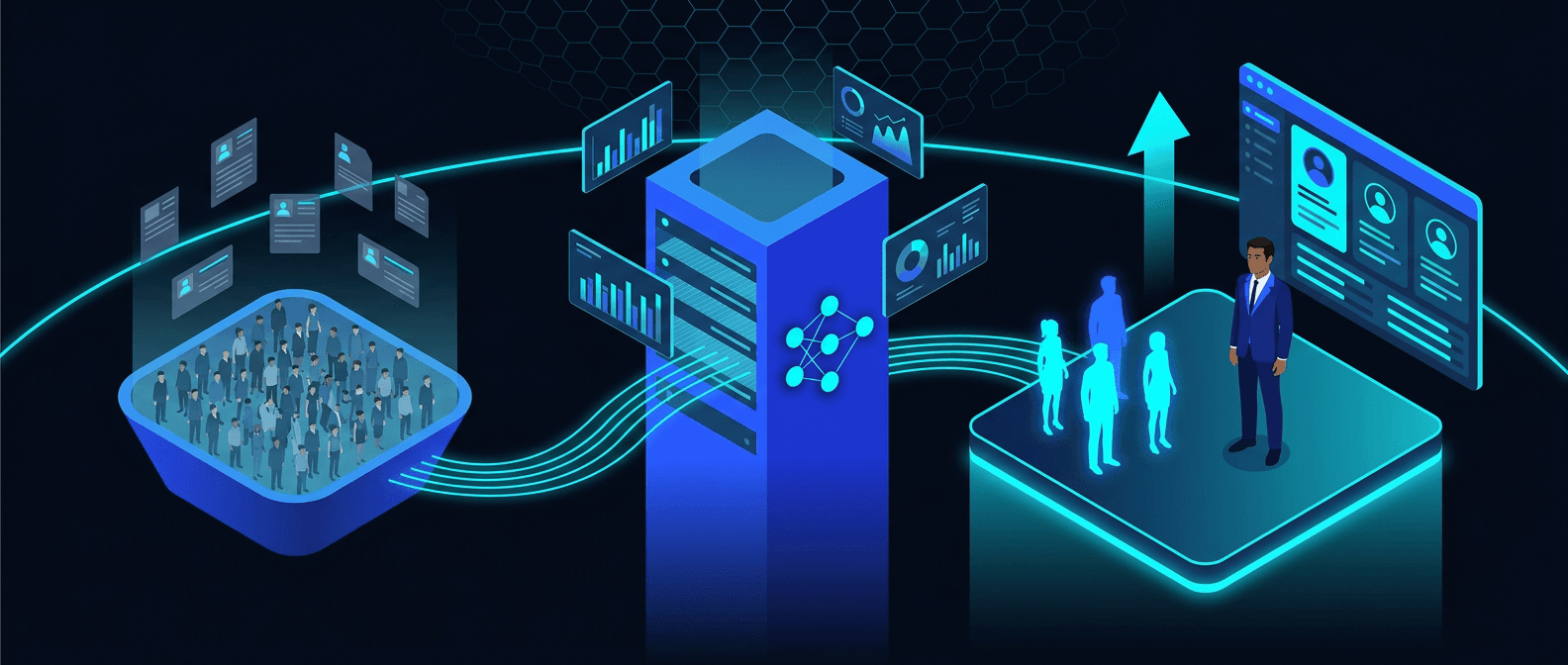
You might receive a large number of applications, but only a small percentage actually match the role. Even fewer are ready for interviews. Fewer still make it to the offer stage.
So the real challenge is not attracting people. It is filtering and converting the right ones.
Employer Branding Is Quietly Driving Conversions
Candidates today do not just apply. They evaluate.
Before applying, they check your presence, your team, and how your company presents itself. They look at employee experiences, content, and overall brand perception.
And this directly affects results.
Companies that invest in how they present themselves are seeing better outcomes. Higher quality applications. Better engagement. Fewer drop-offs.
This is no longer just branding. It directly impacts hiring.
The Shift from Job Boards to Talent Ecosystems
Job boards are still relevant. But relying only on them is limiting.
The companies doing well are building talent ecosystems instead of just pipelines.
They reach candidates through social platforms, passive outreach, retargeting, and talent communities.
This gives access to a much larger pool of candidates, not just active job seekers.
If you rely only on job boards, you are competing for a very small segment of the market.
Speed Is Becoming a Real Competitive Advantage
This is something many teams underestimate.
The best candidates do not stay available for long. Often just 10 to 15 days. But many hiring processes still take 30 to 45 days.
That gap is where companies lose strong candidates.
Not because candidates were not interested, but because someone else moved faster.
The companies winning here reduce friction. They move faster between stages. They communicate clearly. They make decisions quickly.
Speed is no longer just efficiency. It directly impacts hiring success.
The Cost of Bad Hiring Is Getting Harder to Ignore
Companies are now paying more attention to hiring outcomes. Not just cost per hire, but also the cost of leaving roles unfilled and the cost of making the wrong hire.
These numbers matter. Because hiring decisions affect more than HR. They impact teams, execution, and sometimes revenue.
Hiring is becoming a core business function.
What This Means for You
If you are hiring in 2026, a few things are clear.
It is not about getting more applications. It is about getting the right ones. It is not about posting everywhere. It is about being intentional. And it is not about moving slowly.
The companies doing this well are focusing on qualified candidates, treating hiring like a performance function, tracking meaningful metrics, expanding beyond job boards, moving faster in decision-making, and investing in employer brand.
Candidates are choosing you just as much as you are choosing them.
How TalentiFi-X Helps You Win in This Market
At TalentiFi-X, the focus is not just on hiring.
It is on building a system that works consistently.
By combining data-driven strategies, AI-powered optimization, multi-channel acquisition, and real-time tracking, the goal is simple.
Better candidates. Faster hiring. More predictable outcomes.
This Is Not a Slowdown
Hiring has not slowed down. It has changed.
The companies that adapt to this shift are already ahead. The rest are still trying to understand why hiring feels harder.
Frequently Asked Questions
No, hiring is not slowing down. It is becoming more selective, with companies focusing on quality rather than quantity.
Because most applications are not relevant. The challenge lies in finding candidates who match the required skills and expectations.
High-intent hiring focuses on targeting and attracting the right candidates using data and performance-driven strategies instead of mass job postings.
Employer branding plays a major role in attracting better candidates and improving engagement during the hiring process.
Top candidates are usually available for only a short period. Slow hiring processes often result in losing them to faster competitors.